Reviewing the Continuous Line Design of Fruit
As a designer who has spent years digitizing patterns and troubleshooting hoop crashes, I approach every new machine embroidery design with a mix of curiosity and skepticism. We all know that what looks crisp on a screen does not always translate well to fabric. Recently, I evaluated the Continuous Line Design of Fruit, a minimalist graphic asset intended for creative use. While it is categorized under Illustrations and Graphics, my focus was strictly on its potential as a functional element in real-world embroidery projects. This is not just a digital file; it is a potential cornerstone for a handmade product line if handled correctly.
The Aesthetic Appeal of Minimalist Lines
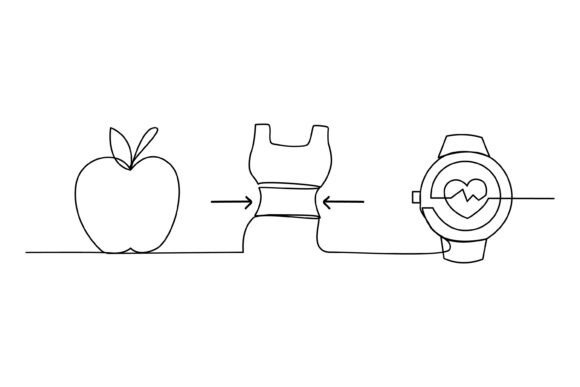
The first thing that strikes you about this design is its restraint. In an era where dense fill stitches and complex satin columns dominate many commercial libraries, a single continuous line offers a breath of fresh air. The concept—fruit slimming the stomach, drawn as a single decorative element on white—suggests a focus on health, wellness, and organic simplicity. Visually, it creates a mood that is calm and modern. For embroidery designers, this simplicity is both a gift and a challenge. There are no fill stitches to hide poor tension, and no dense areas to cause puckering. The entire visual weight rests on the precision of the line itself.
When I imagine this stitched out, I see it working beautifully for brands that value transparency and natural living. It fits seamlessly into the aesthetic of boutique branding where less is more. The lack of internal detail means the viewer’s eye travels smoothly along the path, creating a sense of movement that static, filled shapes often lack. This makes it an excellent candidate for products where subtlety is preferred over bold statements.
Real-World Application: The Custom Tote Bag Scenario
To test the viability of this asset, I mentally placed it on a canvas tote bag, a staple for any Etsy seller or small shop product. Imagine a natural, unbleached cotton tote. The Continuous Line Design of Fruit would be stitched in a deep olive green or a muted terracotta thread. Because the design is essentially a running stitch or a very narrow satin stitch interpretation of a line, it lays flat against the textured fabric. Unlike heavy applique designs that can stiffen a bag, this lightweight approach maintains the drape and utility of the textile.
This specific application highlights why such graphics are valuable for craft business owners. Customers buying handmade items often look for durability and comfort. A heavy, dense embroidery on a thin tote can make the fabric pull and distort. This continuous line approach avoids that pitfall entirely. It suggests a personalized gift that feels thoughtful rather than mass-produced. Whether used for grocery runs or as a stylish accessory, the design adds value without compromising the integrity of the material.
Expanding to Apparel and Home Decor
Beyond tote bags, this design shines in custom apparel. Consider a high-quality linen apron for a kitchen enthusiast or a soft cotton sweatshirt for casual wear. On a sweatshirt, the continuous line can be scaled up slightly to ensure visibility against the fuzzy texture of the fleece. Here, the choice of thread becomes critical. A matte cotton thread might blend too much, whereas a slight sheen from a polyester rayon thread could help the line pop without looking tacky. For baby embroidery, such as a onesie or a nursery wall hanging, the gentle curves of the fruit motif are safe and appealing. There are no sharp corners to catch on delicate skin or other fabrics, making it a practical choice for infant items.
In the realm of home decor, think of tea towels or pillow covers. A set of kitchen towels featuring different fruits in this continuous line style could create a cohesive collection. The uniformity of the line weight across different shapes ensures brand consistency, a key factor for professional embroidery projects. It allows a maker to create a series of products that look like they belong together, enhancing the perceived professionalism of the small business.
Technical Considerations and Stitching Challenges
While the aesthetic is strong, we must address the technical realities. The product description notes that you will receive EPS, SVG, and JPG files. It is crucial to understand that these are vector and raster image formats, not native embroidery machine files like PES or DST. As an experienced reviewer, I must advise that you cannot simply load an SVG into your embroidery machine. You will need to use embroidery software to convert this graphic into a stitch file. This step is vital because the software will determine whether the line becomes a simple running stitch, a bean stitch, or a narrow satin stitch.
When converting, pay close attention to stitch density. If the software creates a satin stitch that is too wide, the thread may loop and snag, especially on curved surfaces like caps or hats. For caps, I recommend keeping the line narrow and using a stabilizer that can handle the curvature without shifting. On stretchy fabrics, such as performance wear or thin jersey, a running stitch might disappear into the knit. In such cases, a light backing stabilizer is non-negotiable to prevent the fabric from swallowing the design.
Another consideration is contrast. Since the original graphic is drawn on white, it assumes a light background. If you plan to stitch this on dark fabric, you must ensure your thread color provides enough contrast. A dark blue line on a black shirt will be invisible. Always test the design on scrap fabric first. Check how the line starts and ends; poorly trimmed jump stitches can ruin the clean look of a continuous line design. Inspect small details to ensure the software hasn’t added unnecessary nodes that could cause thread breaks.
Commercial Viability and Brand Trust
For commercial embroidery and digital product sellers, the versatility of this design is a major asset. It can be used in printable mockups to showcase how a finished product might look before stitching begins. This helps in creating compelling Etsy listings and social media content. However, before selling finished items, you must confirm the licensing terms associated with the graphic. Just because you have the SVG does not automatically grant you the right to sell physical goods made from it, depending on the creator’s terms. Always read the license agreement carefully.
Using such a clean, professional-looking graphic can enhance customer trust. It signals that the maker has an eye for design and isn’t just relying on cluttered, pre-made motifs. It elevates the handmade product from a craft project to a curated item. Whether for holiday embroidery gifts or everyday boutique merchandise, the Continuous Line Design of Fruit offers a sophisticated alternative to traditional, busy patterns. It invites the viewer to appreciate the skill of the stitcher rather than just the complexity of the pattern.
In conclusion, this design is a powerful tool for those willing to put in the technical work of proper digitization. It rewards careful planning with a result that is elegant, durable, and commercially viable. By respecting the limitations of the medium and leveraging the strengths of minimalism, you can create standout pieces that resonate with modern consumers.