Reviewing the Continuous Line Design of Concern
As a designer who has spent years translating digital concepts into thread, I approach every new machine embroidery design with a mix of curiosity and caution. We have all seen those trendy minimal graphics that look stunning on a screen but turn into a tangled mess under the needle. Recently, I evaluated the Continuous Line Design of Concern, a piece categorized under Illustrations and Graphics, to see if it holds up in real-world production. This is not just about aesthetics; it is about whether this asset can survive the rigors of stitching, washing, and daily wear.
First Impressions and Visual Personality
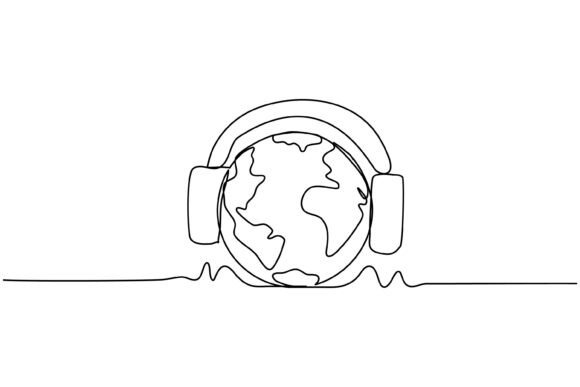
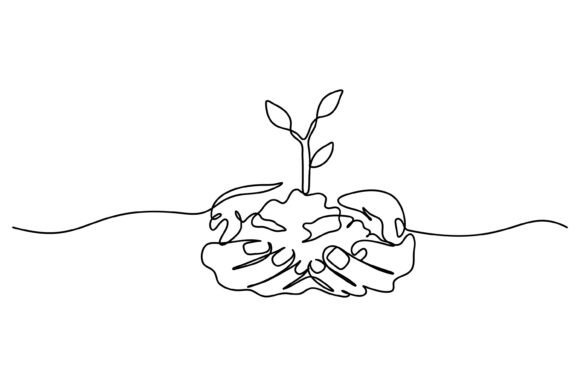
The first thing that strikes you about the Continuous Line Design of Concern is its intentional simplicity. It features single line decorative elements drawn on a white background, focusing on a theme of environmental awareness. The mood is contemplative and modern, avoiding the clutter often found in traditional eco-themed motifs. For embroidery designers, this clean layout is a double-edged sword. On one hand, the lack of dense fill areas means fewer thread breaks and faster run times. On the other hand, a single continuous line demands precision. There is no place for error in tension or registration because the entire image relies on one unbroken path.
The visual personality here is understated. It does not shout; it whispers. This makes it an excellent candidate for brands that value subtlety over loud branding. When I look at this as a set of design assets, I see potential for high-end boutique products rather than mass-market novelty items. The flow of the line suggests movement and connection, which aligns perfectly with the message of concern for the earth.
Real-World Application: The Tote Bag Test
To truly understand the value of this embroidery file, I imagined a specific client project: a custom embroidered tote bag for a local zero-waste shop. The client wanted something that felt handmade but professional. Using the Continuous Line Design of Concern on a heavy canvas tote is where this design shines. Canvas provides the stability needed for a running stitch or a light satin stitch to lay flat without puckering.
In this scenario, the design acts as a focal point without overwhelming the fabric. Because the artwork consists of single line decorative elements, it avoids the stiffness that comes with heavy fill stitch areas. A stiff patch on a soft tote bag feels cheap and uncomfortable to carry. This design, however, would integrate seamlessly into the texture of the cotton or canvas, maintaining the drape of the handmade product. Customers reacting to such a item would likely perceive it as thoughtful and artisanal, increasing the perceived value of the finished product.
Versatility Across Product Lines
Beyond tote bags, this graphic has strong potential in custom apparel. Imagine it placed subtly on the cuff of a sweatshirt or the chest pocket of a denim jacket. The minimalist nature of the Illustrations allows it to blend with various fashion styles. For Etsy sellers and small shop owners, versatility is key. You want a design that can be adapted for multiple SKUs without losing its impact.
- Sweatshirt Embroidery: The design works well on fleece, provided you use a cut-away stabilizer to prevent distortion from the stretch.
- Baby Embroidery: Softness is critical here. Since this is a line-based design, it uses less thread bulk, making it safer and more comfortable for infant skin compared to dense applique designs.
- Holiday Embroidery: While not explicitly festive, the theme of caring for the earth fits well with sustainable gift-giving trends during the holiday season.
- Embroidered Patch: If digitized correctly with a border, this could make a striking iron-on or sew-on patch for caps and backpacks.
However, context matters. This design might get lost on busy patterns or dark fabrics if the thread color contrast is not carefully managed. It thrives on solid, light-colored backgrounds where the negative space can breathe.
Technical Considerations and Stitching Clarity
From a technical standpoint, working with a continuous line requires attention to stitch density and type. If you are converting the provided SVG or EPS files into an embroidery file yourself, you must decide between a simple running stitch or a narrow satin stitch. A running stitch will give a sketch-like, organic feel, while a satin stitch will make the line pop with more dimension. Be wary of making the line too thick, as it may lose the delicate "single line" aesthetic that defines the original Graphics.
There are situations where you should use this design carefully. Avoid using it on highly textured fabrics like terry cloth or thick wool unless you are experienced with compensation techniques. The fine details of the line can sink into the pile and become invisible. Similarly, be cautious with stretchy fabrics like jersey knits. Without proper hooping and stabilizer, the continuous line can distort, breaking the visual flow and ruining the composition.
Another critical factor is hoop size. While the design is scalable, shrinking it too much for a small hoop, such as a 4x4 inch frame, might cause the lines to merge or become indistinct. Always test the design on scrap fabric first. Check how the thread colors interact with your chosen material. A black thread on white cotton is classic, but experimenting with earth tones like olive green or slate blue can enhance the thematic resonance of the piece.
Business Value and Brand Consistency
For creative entrepreneurs, the Continuous Line Design of Concern offers more than just a pretty picture; it offers brand consistency. In a market saturated with generic clipart, using a cohesive set of Illustrations helps build a recognizable visual identity. When customers see this specific style of line work across your small shop product range, from aprons to pillow covers, it creates a sense of professionalism and trust.
This design also lends itself well to creating printable mockups for your online store. Because the original files include JPGs alongside vector formats, you can easily showcase how the design looks on different products before you even stitch a single thread. This saves time and reduces waste, which aligns with the eco-conscious message of the design itself.
Practical Designer Notes
- Test Before Production: Always stitch out a sample on the actual fabric you plan to use. Thread tension can vary significantly between materials.
- Check Licensing: Before selling items made with this digital embroidery file, confirm the license terms. Ensure you have the right to use it for commercial embroidery projects.
- Stabilizer Selection: Use a tear-away stabilizer for woven fabrics and a cut-away for knits to maintain the integrity of the continuous line.
- Color Contrast: Ensure high contrast between the thread and fabric. Low contrast can make the single line disappear, especially from a distance.
- File Formats: The package includes EPS, SVG, and JPG. You will need embroidery software to convert the vector files into machine-readable formats compatible with your specific machine.
In conclusion, the Continuous Line Design of Concern is a thoughtful addition to any designer’s library. It bridges the gap between modern graphic design and traditional craft, offering a versatile tool for creating meaningful, high-quality personalized gifts and commercial goods. By respecting its technical limitations and leveraging its aesthetic strengths, you can create products that resonate with customers who value both style and substance.