Reviewing Continuous Line Birthday for Embroidery
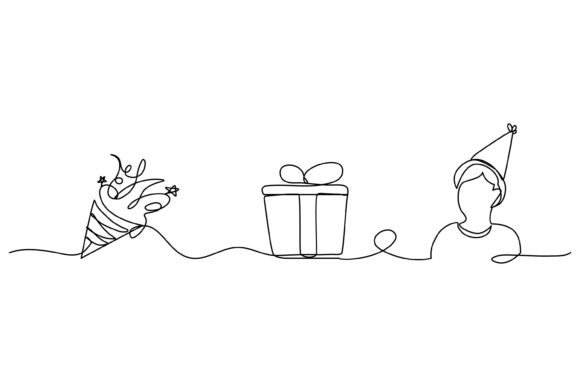
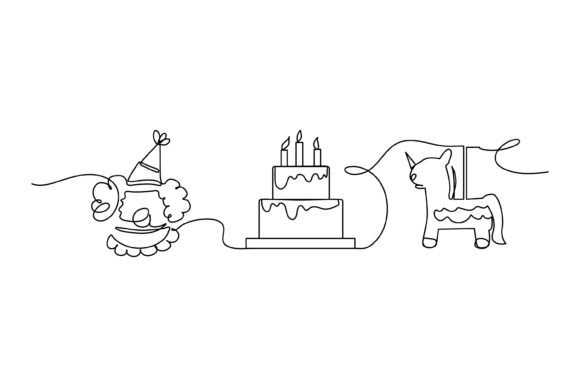
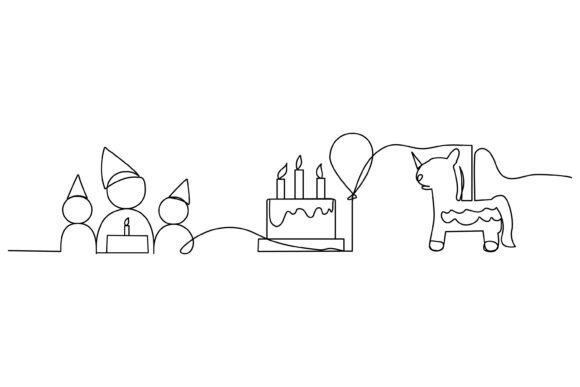
As a designer who spends half my life staring at digitized files and the other half watching needles punch through fabric, I have learned that not every pretty graphic translates well to thread. When I first opened the Continuous Line Birthday file, my immediate reaction was one of cautious optimism. The concept is elegant: a single, unbroken decorative element that suggests celebration without shouting it. In the world of Illustrations and Graphics, minimalism is trendy, but in embroidery, minimalism can be tricky. It requires precision.
This review comes from the perspective of someone preparing this design for a real client project. I was tasked with creating a line of custom tote bags for a boutique birthday party supply shop. The owner wanted something sophisticated, not the typical balloon-and-cake clipart you see everywhere. Continuous Line Birthday seemed like the perfect candidate, but I needed to know if it would hold up under the needle.
The Aesthetic Appeal and First Impressions
The mood of this design is understated and modern. Because it is drawn as a single continuous line, it creates a sense of flow and movement that static images often lack. For a handmade product, this fluidity adds a touch of artistic flair that customers associate with higher value. It does not look like a mass-produced stamp; it looks like a sketch brought to life.
When evaluating any embroidery file, I look at the visual personality. This design feels light and airy. It is ideal for projects where you want the embroidery to complement the fabric rather than dominate it. For a sweatshirt embroidery project, this kind of open design prevents the garment from feeling heavy or stiff. However, because the source files are provided as EPS, SVG, and JPG, it is crucial to understand that these are vector and raster graphics, not native machine embroidery formats like PES or DST. This means you, the designer, must digitize it or convert it carefully to maintain that clean, single-line aesthetic.
Real-World Application: The Tote Bag Test
I decided to test Continuous Line Birthday on a canvas tote bag. Canvas is a forgiving fabric, but it has a distinct texture. My goal was to see if the single line would get lost in the weave or if it would stand out clearly. I chose a high-contrast thread color, a deep navy against the natural beige canvas. The result was striking. The simplicity of the design allowed the texture of the thread to shine.
This type of tote bag design works exceptionally well for Etsy sellers and small shop products because it appeals to a broad demographic. It is not strictly for children; adults appreciate the subtle nod to celebration. It fits perfectly into categories like personalized gift items or holiday embroidery projects where the recipient might want to use the item long after the birthday has passed. Unlike dense fill stitch designs that can warp thin fabrics, this linear approach sits flat and maintains the integrity of the material.
Technical Considerations for Stitching
While the visual appeal is high, the technical execution requires attention. Since this is a continuous line, the digitizing strategy is critical. You will likely rely heavily on running stitch or a very narrow satin stitch. If you choose a running stitch, ensure your stitch density is appropriate for the fabric. On a stretchy fabric, a simple running stitch might pucker or break over time. In such cases, a slight underlay or a thicker satin column might be necessary to secure the thread.
I must emphasize the importance of checking your hoop size and placement. Because the design is a single flowing element, it may have delicate curves or tight corners. If you are stitching on a curved surface like a cap, these details can distort. Always test on scrap fabric first. I recommend using a cut-away stabilizer for garments that will be washed frequently, such as baby embroidery items or custom apparel. The stability ensures that the single line does not shift or loosen after multiple wash cycles.
Navigating Fabric and Color Challenges
One of the biggest risks with a minimalist design like Continuous Line Birthday is visibility on dark or textured fabrics. On a black fleece, a thin black thread will vanish. You must prioritize contrast. If you are working on dark fabric, consider using a metallic or bright white thread to make the line pop. Conversely, on light fabrics, avoid pale pastels unless you are aiming for a subtle, tonal effect.
Be cautious with thin fabric like silk or lightweight rayon. A single line of stitching can sometimes cause pulling if the tension is too tight. Adjust your machine tension and use a tear-away stabilizer to support the fabric during stitching, removing it carefully afterward to keep the back clean. For embroidered patch projects, this design is excellent because it leaves plenty of negative space, making the patch flexible and less bulky.
Commercial Viability and Brand Consistency
For commercial embroidery and craft business owners, consistency is key. This design offers a versatile asset that can be scaled for various products without losing its charm. Whether used on a pillow cover, a kitchen towel, or a printable mockup for your online store, it maintains a professional look. It helps build brand recognition because it is distinct from the cluttered, multi-color designs that saturate the market.
However, since the product description lists EPS, SVG, and JPG, remember that these are design assets for graphic use or conversion. They are not ready-to-stitch digital embroidery file formats. You must verify the licensing terms before selling finished items. Most graphic licenses allow for commercial use of the final physical product, but you should always confirm this to protect your small business merchandise from legal issues. Use these files to create unique finished product offerings that stand out in a crowded marketplace.
Final Verdict for Designers
Continuous Line Birthday is a strong choice for designers who value elegance and versatility. It transforms a simple celebration theme into a sophisticated embroidery project. By paying attention to stitch type, fabric choice, and contrast, you can create high-quality items that resonate with customers. It is not just a graphic; it is a foundation for beautiful, tactile art. Just remember to digitize with care, test thoroughly, and let the simplicity of the line do the talking.