Reviewing Retro Blank Ticket Templates for Embroidery
As a designer who spends half my life digitizing and the other half stitching, I have learned that not every graphic translates well to thread. When I first encountered Retro Blank Ticket Templates, my initial reaction was skeptical. These are marketed primarily as Illustrations and Graphics for printable projects, scrapbooking, and digital layouts. However, the clean shapes and soft vintage aesthetic caught my eye. I wanted to know if this specific visual style could survive the transition from a flat digital file to a textured, stitched finished product.
The mood these templates create is instantly nostalgic. They evoke the feeling of old cinema stubs, carnival admissions, or vintage train passes. For an embroidery project, this thematic weight is valuable. It suggests warmth, memory, and personalization. But does the design hold up under the needle? I decided to test the concept by applying the ticket shape logic to a custom tote bag design and a series of embroidered patch samples.
The Real-World Test: From Screen to Stitch
I approached this review with a specific client project in mind: a boutique coffee shop wanting branded merchandise. They needed something that felt artisanal but clean. I used the outline and structure of the Retro Blank Ticket Templates as a base for a custom machine embroidery design. The goal was to create a personalized gift tag that could be stitched directly onto canvas bags or created as a standalone iron-on element.
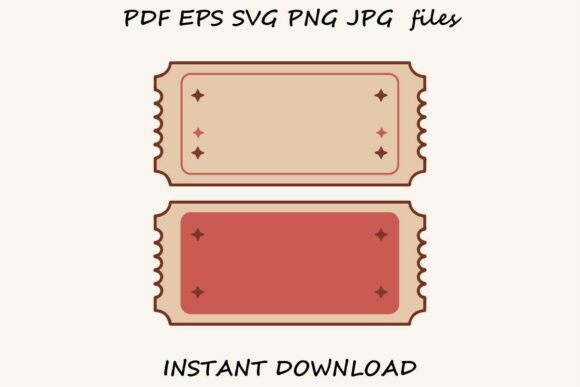
The first thing you notice about these templates is their geometric simplicity. In the world of embroidery, simplicity is often a virtue. Complex gradients and tiny details get lost in thread. The ticket shape, with its distinct notched corners and rectangular body, provides a strong silhouette. When I digitized this shape for a 4x4 inch hoop, the result was surprisingly crisp. The clean lines allowed for a tight satin stitch border that framed the interior space perfectly.
However, because these are originally design assets for print, they lack inherent stitch data. You cannot simply load a JPEG into your machine. You must treat the template as a visual guide. I found that the "blank" nature of the ticket was its greatest strength. It allowed me to customize the center with variable text—names, dates, or short quotes—using a simple running stitch or a light fill stitch. This versatility makes it ideal for Etsy seller workflows where customization is key.
Fabric Interaction and Stitching Clarity
One critical aspect of using graphic templates for embroidery is how they interact with fabric texture. I tested the design on three different materials: a heavy cotton canvas, a thin polyester blend, and a stretchy jersey knit.
On the canvas, the ticket shape held its form beautifully. The rigid structure of the fabric supported the stitch density required for the border. The contrast between the thread and the fabric made the vintage aesthetic pop. On the thin polyester, however, I had to be careful. Without a proper stabilizer, the fabric puckered around the dense satin borders. This is a common issue when adapting flat Graphics for textiles. If you are working with delicate fabrics, I recommend using a cut-away stabilizer to maintain the integrity of the ticket’s sharp corners.
Stretchy fabrics presented another challenge. The ticket shape is rigid, but jersey moves. I found that reducing the stitch density slightly and using a lighter weight thread helped the design breathe with the fabric. For baby embroidery items, such as onesies or bibs, this adjustment is crucial to ensure comfort and durability after washing.
Commercial Viability and Product Value
For craft business owners and small shop product creators, the appeal of Retro Blank Ticket Templates lies in their adaptability. They are not just a single design; they are a framework. I used the template to create a series of holiday embroidery gifts, turning the ticket into a "Admit One" pass for a movie night or a "Good For One Hug" coupon stitched onto a pillow cover.
This approach increases perceived value. A plain towel becomes a thoughtful personalized gift when adorned with a custom-stitched ticket design. It adds a layer of storytelling that customers appreciate. For commercial embroidery projects, such as corporate events or wedding favors, the ticket motif serves as an elegant placeholder for names or table numbers.
It is important to note that while the visual template is versatile, the execution determines professionalism. Sloppy stitching on the notched corners can make the design look amateurish. Precision is key. I advise testing your embroidery file on scrap fabric first to ensure your machine handles the directional changes at the corners smoothly. Check your thread colors against both light and dark backgrounds. A cream thread on a white ticket might vanish, while a bold red on navy creates a striking, vintage poster effect.
Practical Designer Notes
If you plan to use Retro Blank Ticket Templates as a basis for your next embroidery project, keep these practical considerations in mind:
- Check Licensing: Since these are originally digital Illustrations, confirm whether the license allows for commercial use of derived physical products. Most graphic licenses differ from embroidery file licenses.
- Hoop Size Matters: Ensure your chosen hoop size accommodates the full ticket shape without cutting off the notched corners. A 5x7 hoop often provides better proportion for detailed text inside the ticket than a smaller 4x4.
- Stabilizer Selection: Use a medium-weight cut-away stabilizer for stretchy fabrics and a tear-away for stable wovens. The sharp angles of the ticket require good support to prevent distortion.
- Test Stitch Density: If you are filling the ticket background, keep the density low to avoid stiffness. A light fill stitch or even leaving it blank with only a border often looks more elegant and vintage.
- Contrast is Key: Vintage aesthetics rely on subtle contrasts. Avoid neon threads. Stick to muted tones like mustard, slate blue, dusty rose, or olive green to maintain the retro vibe.
In conclusion, Retro Blank Ticket Templates are a surprisingly effective foundation for embroidery when approached with a designer’s eye. They are not ready-to-stitch files, but they are excellent visual guides for creating unique custom apparel, sweatshirt embroidery, and home decor items. By respecting the limitations of thread and fabric, you can transform these simple graphics into high-value, tangible products that resonate with customers looking for something handmade and heartfelt.