Fish Habitat Graphics: Illustrations for Branding
As a brand designer who has spent years refining visual identities for local businesses, I approach every new graphic design asset with a critical eye. It is not enough for an image to be pretty; it must serve a strategic purpose. Recently, I evaluated the Continuous Line Design of Fish Habitat for a potential client project—a boutique skincare line inspired by ocean conservation. The initial impression was striking. The single-line aesthetic creates a mood that is simultaneously modern and organic, suggesting a brand personality that is elegant yet approachable. This type of illustration does not scream for attention; instead, it invites the viewer to look closer, which is exactly what premium small business branding requires.
Evaluating the Aesthetic for Local Business Appeal
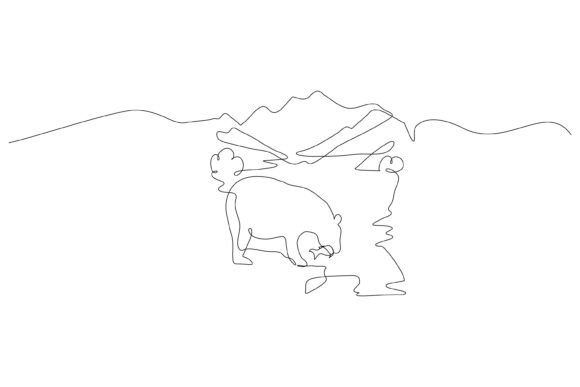
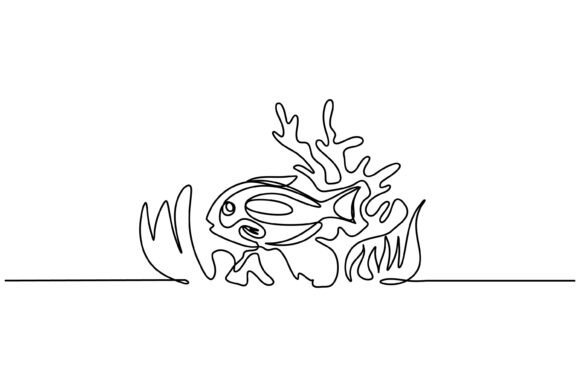
The Continuous Line Design of Fish Habitat features fluid, unbroken strokes that depict coral reefs and marine life. For a local business, especially one in the handmade or eco-friendly sector, this style communicates sophistication without feeling cold or corporate. It feels handmade, even though it is digital, because the continuous line mimics the natural flow of human drawing. When I placed this asset against various backgrounds during my review, it maintained its integrity. It suggests a brand that values sustainability, artistry, and calm. For a bakery, it could imply artisanal care; for a florist, it suggests natural beauty; and for a candle brand, it evokes tranquility.
Practical Applications in Packaging and Identity
The true test of any design asset is its versatility. I explored how this fish habitat illustration could function across different touchpoints for a real-world product launch. In packaging design, the single-line element works beautifully as a subtle background pattern or a focal point on a minimalist box. It does not overwhelm the product name but adds a layer of visual interest that enhances shelf appeal. For product label applications, the clean lines ensure legibility remains high. I found that when used on hang tags or thank-you cards, the design adds a personal, curated feel that strengthens customer trust.
Beyond physical products, this asset shines in digital spaces. For social media graphics, the white background of the original file allows for easy integration into Instagram stories or Pinterest pins. It can serve as a decorative border for quote posts or as a hero image for website banners. In web design, the SVG format ensures the lines remain crisp on any screen size, contributing to a professional and polished online presence. Whether used in editorial design for a lookbook or as part of a seasonal campaign, the flexibility of this illustration supports consistent brand identity.
Strategic Placement and Visual Hierarchy
Using decorative elements like the Continuous Line Design of Fish Habitat requires an understanding of visual hierarchy. I recommend using this asset to guide the eye rather than compete with essential information. It works best as a secondary element that supports the primary message. For instance, on a product mockup, place the fish design in the negative space around the logo to create balance. In marketing visuals, use it to frame text blocks, ensuring that the typography remains the star. This approach improves product recognition and creates a more cohesive brand presentation.
However, there are contexts where caution is necessary. This design may not suit formal corporate branding where strict geometric precision is required. It should also be used carefully on very small labels where intricate lines might blur. Avoid placing it behind dense text or in areas with low contrast, as the delicate lines could get lost. For luxury minimalist brands that rely on heavy bold typography, this decorative clipart might feel too busy. Always ensure the decoration does not compete with legal information or ingredient lists on packaging.
Technical Considerations for Professional Branding
From a technical standpoint, the file formats provided—EPS, SVG, and JPG—are ideal for professional use. The SVG design capability is particularly valuable for scalability. I tested the vector files in various design software, confirming that the paths are clean and editable. This allows for color customization to match specific brand palettes. When testing beside different typography styles, I found that the fluid lines pair exceptionally well with serif fonts for an elegant look, or sans serif fonts for a modern vibe. It can also complement script fonts if used sparingly to avoid visual clutter.
Before finalizing any commercial design project, I always advise checking the commercial license terms. Ensure that the asset is cleared for use in physical product sales and client work. Test the design in black and white to verify that the contrast holds up without color dependency. Preview it on actual printable design proofs to check for ink saturation issues. Comparing it with competitor packaging helps determine if the style offers a unique advantage. By treating this digital product as a core component of your creative marketplace toolkit, you can elevate your professional branding efforts significantly.
In conclusion, the Continuous Line Design of Fish Habitat is more than just a pretty picture. It is a versatile tool for storytelling. For handmade business owners and marketers looking to convey authenticity and elegance, this illustration offers a refined solution. Whether applied to stickers, flyers, or business cards, it enhances the perceived value of the brand. By integrating such thoughtful graphics into your local business strategy, you create a memorable visual experience that resonates with customers and stands out in a crowded market.