Nature Clipart: Grass, Flower & Butterfly Silhouettes
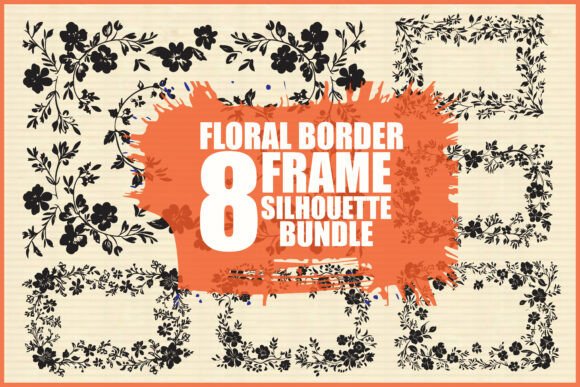
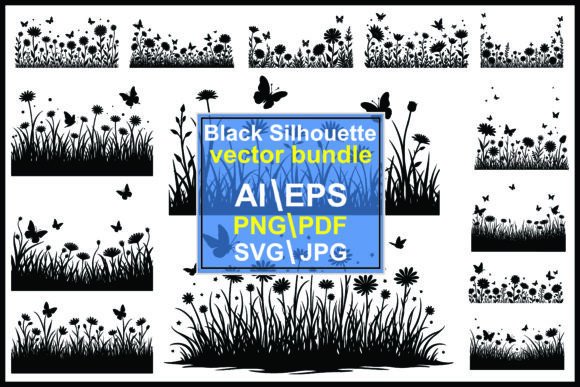
When I first pulled up the Nature Clipart, Grass Flower Butterfly files on my design tablet, I wasn’t looking for complexity. I was looking for clarity. In the world of machine embroidery, especially when dealing with silhouette-style graphics, the difference between a professional finished product and a messy puckered disaster often comes down to how well the original vector art translates into stitch data. This collection of black silhouette floral borders, featuring delicate butterflies and swaying grass, immediately struck me as a versatile asset for any designer’s toolkit. But does it hold up under the needle? Let’s break down how these illustrations perform in real-world embroidery scenarios.
First Impressions: Mood and Visual Personality
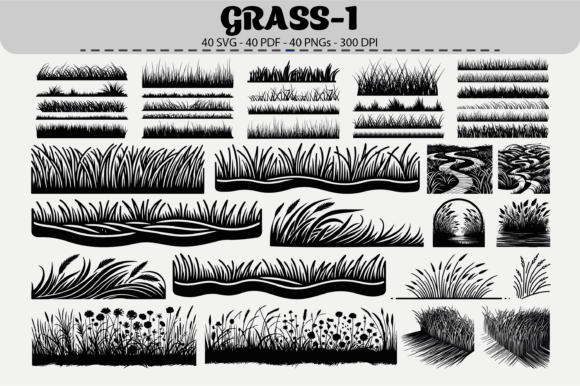
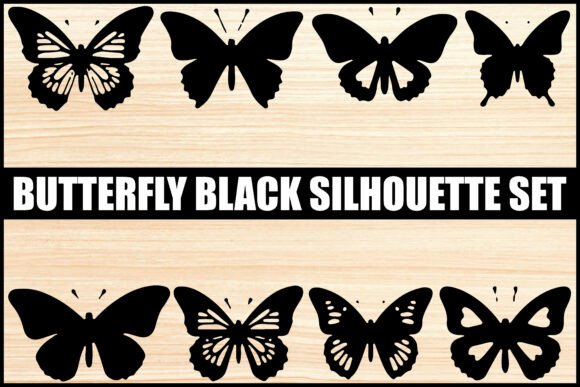
The aesthetic here is unmistakably organic. The interplay between the rigid structure of a border and the free-flowing lines of meadow grass and insects creates a balanced tension that feels both structured and wild. As a reviewer, I appreciate that the Graphics provided are clean silhouettes. There is no ambiguous shading or gradient noise that confuses digitizing software. The bold black shapes suggest a high-contrast look that works beautifully for spring and summer themes without feeling overly juvenile.
For an embroidery designer, this visual personality suggests immediate applications. It feels at home on natural fibers like linen, cotton canvas, and denim. The mood is calm, rustic, and slightly whimsical, making it an ideal candidate for boutique branding where the goal is to evoke a sense of handmade authenticity rather than mass-produced perfection.
Real-World Application: The Custom Tote Bag Test
To truly evaluate Nature Clipart, Grass Flower Butterfly, I mentally placed it on a standard 14x14 inch cotton canvas tote bag. This is a staple item for many Etsy sellers and small shop owners. Using the border element along the bottom hem or wrapping around the side seam offers a sophisticated alternative to a central chest logo.
In this scenario, the grass silhouette provides a grounding element, while the butterflies add movement. When stitched out, I would recommend using a dense fill stitch for the solid black areas of the silhouette to ensure full coverage of the fabric weave. However, caution is needed. If the original design elements are too thin, they may disappear into the texture of the canvas. For a tote bag, which undergoes significant stress and washing, the durability of the stitch-out is paramount. A satin stitch might be too raised and prone to snagging on rough canvas, so a tight tatami fill or a combination of running stitch outlines with light fill is often safer for longevity.
Versatility Across Product Lines
Beyond tote bags, this collection shines in several other categories. For custom apparel, such as a lightweight linen shirt or a structured apron, the smaller individual elements—like a single butterfly or a cluster of flowers—work exceptionally well as pocket accents. They are subtle enough not to overwhelm the garment but distinct enough to serve as a signature design mark.
For baby embroidery projects, such as muslin swaddles or organic cotton onesies, the soft curves of the grass and flowers are appealing. However, one must be mindful of stitch density. Babies have sensitive skin, and a heavy, dense silhouette can feel stiff against the neck or tummy. In these cases, scaling down the design and ensuring a soft backing stabilizer is crucial. The holiday embroidery market also benefits from these assets; think of pastel thread colors on white tea towels for Easter or deep greens and golds for autumnal kitchen decor.
Technical Considerations and Fabric Challenges
While the aesthetic is strong, the technical execution requires attention. Silhouette designs rely heavily on contrast. On dark fabric, using white or metallic thread can make the Nature Clipart, Grass Flower Butterfly pop dramatically. On light fabrics, dark threads provide a classic look. However, on textured fabrics like terry cloth or fuzzy fleece, fine details in the grass blades may get lost. In such cases, simplifying the design by removing the tiniest elements before digitizing can save hours of frustration.
Curved surfaces, such as caps or baby hats, present another challenge. The border elements in this collection are likely designed for flat surfaces. Applying a straight border to a curved cap panel can cause distortion. I advise breaking the border into smaller segments or using only the standalone flower and butterfly motifs for headwear. Additionally, always check the hoop size compatibility. If you are working with a 4x4 hoop, you may need to split larger border designs into sections, which requires precise alignment during stitching.
Enhancing Brand Value and Customer Trust
For the Etsy seller or craft business owner, consistency is key. Using a cohesive set of design assets like this collection helps build a recognizable brand identity. When customers see the same high-quality nature motifs across your printable mockup listings, social media posts, and actual finished product photos, it builds trust. It signals professionalism.
Moreover, the perceived value of a personalized gift increases when the embroidery looks crisp and intentional. A muddy, poorly digitized silhouette looks amateurish. A clean, well-stitched border looks bespoke. By choosing high-quality Illustrations as the base for your digitizing, you set yourself up for success. Customers engage more with products that look thoughtful, and the natural theme of this collection resonates with the current trend toward eco-conscious and slow-living aesthetics.
Practical Designer Notes for Implementation
Before committing to a large production run or listing a new small shop product, follow these practical steps:
- Test on Scrap Fabric: Always stitch out the design on the exact fabric type you intend to use. Check for puckering or thread breaks.
- Check Thread Color Contrast: View your design in black and white mode to ensure the shapes remain distinct even without color differentiation.
- Review Stitch Density: If the digital file is already digitized, inspect the density. If it’s a vector graphic, ensure your digitizer doesn’t over-pack the stitches, which can cause fabric distortion.
- Use Proper Stabilizer: For lightweight fabrics, use a cut-away stabilizer for durability. For stable wovens, a tear-away may suffice, but test first.
- Confirm Licensing: Before selling commercial embroidery items, verify the license terms of the digital embroidery file or graphic source. Ensure you have the rights to sell physical goods made with these designs.
In conclusion, Nature Clipart, Grass Flower Butterfly offers a robust foundation for a variety of embroidery projects. Its strength lies in its simplicity and versatility. Whether you are creating a sweatshirt embroidery piece for a local boutique or an embroidered patch for a nature club, these graphics provide the essential visual language needed to connect with customers. Treat the design with respect regarding fabric choice and stitch technique, and it will reward you with a polished, professional result that elevates your handmade brand.