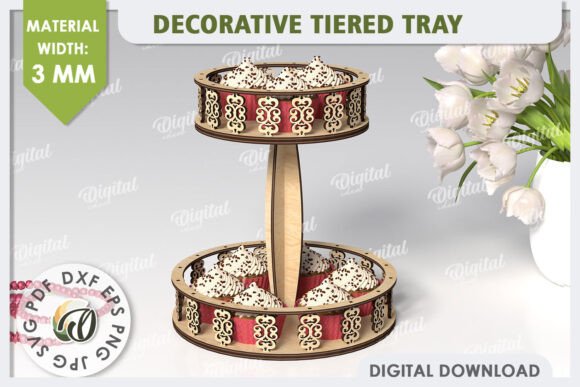
3D Decorative Tiered Tray Laser Cut Stands
As a digital publisher who has spent years refining the visual identity of high-traffic blogs and editorial sites, I approach every new graphic design asset with a critical eye. It is not just about aesthetics; it is about function, load times, and reader perception. Recently, I evaluated the 3D Decorative Tiered Tray Laser Cut for potential integration into our content library. While this item falls under the category of Laser Cutting files for physical crafting, its value to us as content creators lies in its digital versatility. We are not building physical Stands; we are building trust, brand recognition, and click-through rates.
First Impressions and Editorial Mood
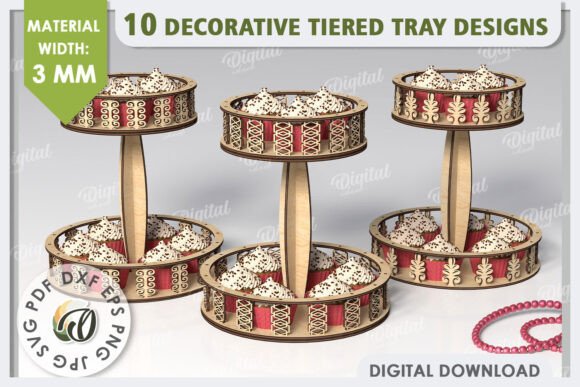
The initial impression of the 3D Decorative Tiered Tray Laser Cut is one of structured elegance. The layered geometry suggests a tactile quality that translates surprisingly well to two-dimensional screens. For a lifestyle blog or a creative entrepreneurship site, this asset creates a mood that is both organized and decorative. It feels modern yet warm, avoiding the sterile coldness of minimalism while steering clear of chaotic clutter. This balance is crucial for editorial design, where you want the reader to feel invited rather than overwhelmed.
When considering how this affects reader perception, the intricate lines suggest attention to detail. In niches such as home decor, DIY tutorials, or small business branding, this visual cue reinforces the idea that the content behind the image is equally meticulous. It supports a narrative of craftsmanship and care, which is essential for building authority in competitive markets like affiliate marketing or digital product sales.
Integrating Assets into Publishing Workflows
The true test of any design asset is its adaptability across various publishing channels. I tested the vector files from the 3D Decorative Tiered Tray Laser Cut package in several real-world scenarios. Because the source files are scalable vectors, they remain crisp whether scaled down for a mobile thumbnail or enlarged for a desktop hero banner.
- Pinterest Pins: The vertical symmetry of the tiered tray design works exceptionally well for Pinterest graphics. It provides a strong central focal point that allows text overlays to sit cleanly above or below without obscuring key details.
- Blog Featured Images: Used as a background element with reduced opacity, the pattern adds texture to article headers without competing with headline typography. This improves visual hierarchy by guiding the eye naturally from the image to the title.
- Digital Guides and Lead Magnets: For downloadable resources, such as eBooks or worksheets, the design serves as an excellent border or section divider. It breaks up large blocks of text, making the content more digestible and visually appealing.
- Newsletter Banners: In email marketing, where space is premium, the clean lines of the laser cut design offer a professional look that loads quickly and renders consistently across different email clients.
Enhancing Content Performance and Brand Identity
Consistency is the cornerstone of strong brand identity. By incorporating the 3D Decorative Tiered Tray Laser Cut into our template library, we established a recognizable visual signature. Readers began to associate this specific geometric style with our premium content upgrades and detailed tutorials. This recognition leads to higher engagement rates because the audience knows what to expect in terms of quality.
Furthermore, the asset supports better click-through potential. A polished, professional appearance signals credibility. In the world of content marketing, where users scroll rapidly through feeds, a distinctive visual hook can be the difference between a bounce and a read. The decorative nature of the tray design adds a layer of sophistication that elevates standard blog graphics into something that feels curated and intentional.
Strategic Placement and Cautionary Notes
While versatile, this asset is not a one-size-fits-all solution. It works best in contexts that benefit from decorative accents, such as lifestyle blogs, craft tutorials, and creative business resources. However, publishers must exercise caution in certain areas.
Avoid using the intricate details of the 3D Decorative Tiered Tray Laser Cut in small mobile thumbnails where the lines may blur or disappear. Similarly, it should not be placed behind dense body text, as the complex patterns can reduce readability and cause eye strain. For corporate or strictly professional niches, such as legal or financial advice, the decorative flair might feel out of place. In these cases, a simpler, more abstract representation would be more appropriate.
Practical Publisher Notes for Implementation
Before deploying any new digital product into your workflow, rigorous testing is required. Here are the steps I took to ensure the 3D Decorative Tiered Tray Laser Cut performed optimally:
- Device Testing: I previewed the graphics on both desktop and mobile screens to ensure the lines remained sharp and the composition held up at smaller sizes.
- Typography Pairing: I tested the design alongside serif, sans-serif, script, and display fonts. It paired particularly well with clean sans-serif headlines, creating a modern contrast, while softening the rigidity of bold display fonts.
- Contrast Checks: I verified that the design maintained visibility against both light and dark backgrounds. In some cases, adjusting the stroke weight was necessary to ensure clarity.
- File Optimization: Although the original files are vectors, exporting them for web use required careful compression. I ensured that the final PNG or JPEG files were optimized for speed without sacrificing quality, which is vital for SEO and user experience.
- Licensing Verification: Always confirm the commercial license terms before using any asset on monetized websites, affiliate pages, or in paid products. Understanding the rights associated with your digital download protects your business from legal issues.
In conclusion, the 3D Decorative Tiered Tray Laser Cut is more than just a file for physical fabrication. For the astute digital publisher, it is a flexible tool for enhancing web design and small business branding. When used thoughtfully, it elevates the perceived value of your content, strengthens your visual identity, and contributes to a more engaging reader experience. Whether you are creating a Canva template for social media or designing a comprehensive digital guide, this asset offers the structural beauty needed to make your content stand out in a crowded digital landscape.